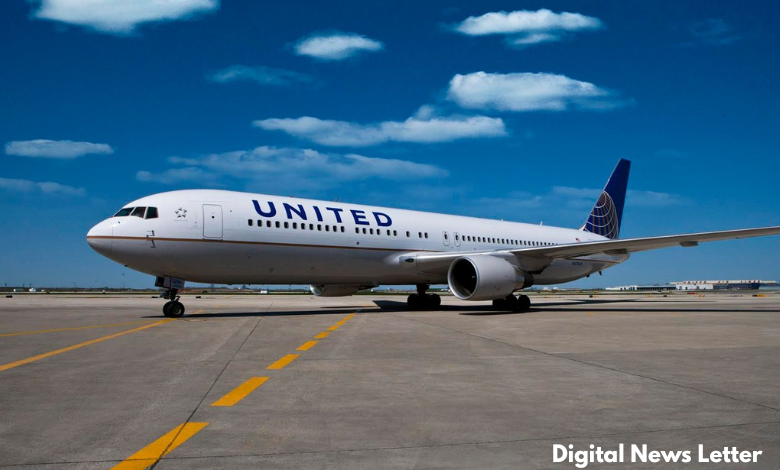
United Airlines Flight UA109, a regular transatlantic service connecting Newark Liberty International Airport (EWR) in New Jersey to London Heathrow Airport (LHR) in the United Kingdom, experienced an unplanned diversion during a routine flight. This diversion, although rare, serves as a key example of how airlines manage in-flight emergencies and the subsequent decisions that follow. In this blog post, we will provide a comprehensive breakdown of what happened, why the diversion was necessary, and the impact on passengers and the airline.
Flight Background and Typical Route
United Airlines Flight UA109 typically operates with a Boeing 777 aircraft, configured for long-haul international routes. The flight covers approximately 3,459 miles from Newark Liberty International Airport to London Heathrow. This flight route operates on a regular basis, typically departing Newark and arriving at London Heathrow, with the flight duration around 7 hours.
The scheduled flight departs Newark at around 8:00 PM and crosses the North Atlantic, flying over Canadian airspace, before entering the UK’s airspace and arriving in London the following morning at about 7:00 AM local time. The flight is monitored continuously by air traffic controllers and United’s flight crew to ensure smooth operation.
The Diversion Event – October 30, 2025
On October 30, 2025, during its regular flight from Newark Liberty International Airport (EWR) to London Heathrow Airport (LHR), United Airlines Flight UA109 experienced an unexpected diversion. About three hours into the flight, while the aircraft was flying over the North Atlantic, a passenger reported a severe medical emergency. The passenger’s condition worsened rapidly, and after initial assessment by the flight attendants and an onboard medical consultation, it became clear that the situation required immediate intervention at a nearby airport.
The flight crew, in coordination with air traffic control, decided to divert the flight to the nearest suitable airport for emergency medical assistance. The decision to divert was made after it was determined that the aircraft’s current position was too far from land to continue without potentially compromising the safety of the passengers onboard.
Why the Diversion Happened: Medical Emergencies in Flight
Medical emergencies are one of the most common reasons for diversions, as not all situations can be addressed with the onboard medical supplies. The incident on Flight UA109 was no different. According to standard operating procedures, when a medical emergency occurs that could endanger the safety of the passenger or others, the flight crew is required to take immediate action.
While United Airlines is equipped with medical supplies and trained crew to handle many in-flight medical emergencies, the severity of the passenger’s condition on October 30 necessitated a diversion. When the situation deteriorated, it became apparent that further medical intervention was needed, and thus the decision to land at a nearby airport was made.
The Role of Air Traffic Control and Diversion Airport Selection
The nearest airport that could accommodate the aircraft and provide the necessary medical facilities was determined to be Dublin Airport (DUB) in Ireland. Air traffic control communicated with United Airlines’ operations team, ensuring that the diversion was safe and feasible. Diversion airports are not selected arbitrarily; rather, they are pre-approved and mapped out as part of flight planning procedures, ensuring that each flight can safely reach an alternate airport in case of an emergency.
Dublin Airport was chosen for several reasons:
- Proximity: It was within the acceptable range for the flight based on the location at the time.
- Medical Facilities: Dublin had the medical resources necessary to treat the passenger.
- Airport Capacity: Dublin was capable of handling large international flights and had the infrastructure needed for such a diversion.
The Landing in Dublin – October 30, 2025
After receiving clearance from air traffic control, the aircraft began a controlled descent toward Dublin Airport. The landing occurred at approximately 2:00 PM UTC, nearly two hours after the decision to divert was made.
Upon landing, the affected passenger was immediately attended to by medical professionals stationed at the airport. It was later confirmed that the passenger’s condition, while serious, did not require hospital admission. The passenger received treatment onsite and was later transferred to a local hospital for further monitoring, though no life-threatening injuries were reported.
The Impact on Passengers – October 30, 2025
The diversion naturally caused some disruption to the passengers aboard United Flight UA109. After landing, the crew communicated with the passengers, informing them of the medical emergency and assuring them that the affected passenger was receiving medical attention. The other passengers remained aboard the aircraft while the situation was handled.
Although the flight had to remain on the ground in Dublin for medical reasons, it was not necessary to evacuate the passengers. Passengers were kept updated on the status of the flight, and United Airlines provided details about the revised schedule. The situation, while concerning, was handled efficiently by the airline.
The delay was kept to a minimum, with the aircraft ready to continue its journey to London later that same afternoon. However, the aircraft’s arrival in London was delayed by about two hours, which meant passengers with onward connections had to adjust their schedules.
Resuming the Flight – October 30, 2025
After ensuring that the passenger received the necessary medical care and that the flight complied with safety regulations, United Airlines cleared the aircraft to continue its journey to London. The aircraft departed Dublin at approximately 4:00 PM UTC, resuming its flight toward London Heathrow.
The flight reached London Heathrow and landed at 6:00 PM local time, approximately two hours later than originally scheduled. While the diversion led to an inconvenience for many passengers, they were able to continue their travel with minimal additional disruptions.
United Airlines’ Response and Passenger Impact
In response to the diversion, United Airlines followed its protocols to ensure that passengers were informed and cared for. The airline’s staff communicated updates throughout the process, addressing the concerns of passengers and assisting with alternative travel plans for those who had connecting flights from Heathrow.
United Airlines offered compensation options for passengers affected by the delay, including meal vouchers, as well as assistance with rebooking where necessary. While the diversion caused some inconveniences for the passengers, the airline’s response helped mitigate the impact of the delay.
The Aftermath of the Diversion
Following the incident, United Airlines issued a statement explaining the situation, commending the flight crew for their swift actions and expressing concern for the well-being of the passenger involved. The airline also reassured passengers that all safety protocols had been followed, and the necessary resources were mobilized to handle the situation.
Though the delay caused by the diversion impacted some travelers’ schedules, the overall response from United Airlines ensured the safety of everyone on board. The flight eventually continued on its path to London, and the affected passenger received the medical attention needed. For United, the incident reinforced the airline’s commitment to the safety and well-being of its passengers and crew.
Conclusion
The diversion of United Flight UA109 on October 30, 2025, serves as a clear reminder of how aviation safety protocols are applied when unforeseen medical emergencies occur. Though diversions are rare, they are crucial when the safety of a passenger is at stake. The crew’s decision to divert the flight and land at Dublin Airport ensured that the affected passenger received immediate medical attention while also minimizing disruption for the other passengers.
This event demonstrates the importance of thorough flight planning, clear communication with passengers, and the readiness of airlines to respond to in-flight emergencies. United Airlines handled the situation effectively, ensuring that all safety protocols were followed and that passengers were informed and supported throughout the incident. The event underscores the commitment of the airline industry to passenger safety, particularly in emergency situations.