Introduction
If you’ve spent time outdoors, followed military gear blogs, or read about adventure travel, the term Tarnplanen may have caught your attention. This word, which originates from the German language, combines Tarn (camouflage) and Planen (tarpaulins), and refers to specialized camouflage tarpaulins designed for concealment and protective shelter. Over time, Tarnplanen have become a vital component in the outdoor, military, and tactical industries. These multi-purpose tarpaulins serve a wide variety of functions, including offering weather protection, creating stealth shelters, concealing equipment, and providing a versatile solution for emergency field use.
In this comprehensive article, we will break down everything you need to know about Tarnplanen, including their features, materials, sizing, environmental benefits, and common applications. Whether you are looking for shelter while camping, protecting equipment, or seeking a durable, protective cover for various outdoor activities, this guide will give you the practical insights to make an informed decision.
What are Tarnplanen?
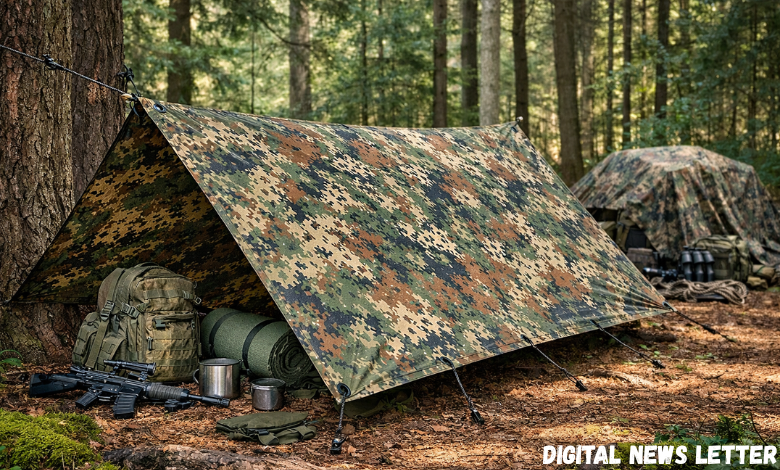
Tarnplanen are specialized tarpaulins designed with the primary purpose of providing both concealment and weatherproof protection. Their camouflaged pattern helps them blend into natural environments, making them ideal for use in outdoor activities like camping, military operations, and tactical scenarios. They serve as effective covers that protect items from rain, dust, and sun while maintaining a low profile to avoid detection.
In addition to their practical benefits, Tarnplanen are versatile and durable, offering solutions for a range of needs. From building shelters in the wilderness to creating protective covers for outdoor equipment, these tarpaulins are reliable tools for anyone who spends time in nature or requires rugged, multi-functional covers.
Features of Tarnplanen
Tarnplanen are designed with a specific set of features that differentiate them from regular tarpaulins. The key features of Tarnplanen include:
Camouflage Design: The primary distinguishing feature of Tarnplanen is their camouflage pattern. Unlike traditional tarpaulins, which are usually plain or solid in color, Tarnplanen come in various camouflage patterns designed to blend into specific environments. Common patterns include woodland, desert, and urban camouflage, which mimic natural surroundings to offer stealth and concealment.
Durable Materials: Tarnplanen are made from high-quality materials that can withstand harsh outdoor conditions. Typically, they are crafted from waterproof or water-resistant fabrics such as polyester, PVC-coated fabrics, or high-density polyethylene (HDPE). These materials ensure that the tarpaulin remains effective even under prolonged exposure to rain, sun, and wind.
Tear and Puncture Resistance: One of the most critical characteristics of a Tarnplanen is its strength. Heavy-duty options are reinforced with durable fabrics and additional coatings, making them highly resistant to tears, punctures, and abrasions. This durability ensures that the tarpaulin can endure rough handling, making it ideal for both civilian and military applications.
UV Protection: Tarnplanen are designed to offer protection against harmful ultraviolet (UV) radiation. UV-resistant coatings help prevent the material from degrading over time, ensuring that the tarpaulin remains effective in shielding items from sun exposure, even in harsh outdoor environments.
Breathability: Some Tarnplanen come with breathable materials or ventilation options that allow moisture to escape while preventing water from entering. This feature helps to maintain a dry environment under the tarp, especially in humid or rainy conditions.
Easy Handling and Setup: Tarnplanen are designed to be easy to handle, transport, and set up. They are often lightweight, with reinforced grommets or loops for securing the tarpaulin in place. This makes them convenient for setting up temporary shelters or covering outdoor equipment.
Materials Used in Tarnplanen
The material used in Tarnplanen plays a significant role in determining their durability and effectiveness. Some of the most common materials used for Tarnplanen include:
Polyester: Polyester is a popular material for Tarnplanen because it is lightweight, durable, and resistant to moisture. It provides an excellent balance of strength and portability, making it suitable for general outdoor use. Polyester also resists UV rays and is easy to clean, which helps maintain the camouflage pattern over time.
PVC-Coated Fabrics: PVC-coated fabrics are heavier and more robust than polyester and offer excellent weather resistance. These tarpaulins are waterproof and provide enhanced protection against the elements. The added coating helps the tarpaulin remain flexible and durable even in extreme weather conditions.
HDPE (High-Density Polyethylene): HDPE is another material commonly used for Tarnplanen due to its high strength and puncture resistance. It is lightweight and resistant to chemicals, making it ideal for use in construction, agriculture, and other rugged outdoor environments.
Ripstop Nylon: Ripstop nylon is a strong, tear-resistant fabric often used in military-grade tarpaulins. It features a unique weave pattern that helps prevent tears from spreading, making it a durable option for Tarnplanen used in extreme conditions.
Sizing and Applications of Tarnplanen
Tarnplanen come in a variety of sizes and configurations to accommodate different needs. The size you choose will depend on the specific application and the area you need to cover. Common sizes include small tarps for personal shelter and larger tarps used for equipment concealment or vehicle protection.
Camping and Outdoor Use
For outdoor enthusiasts, Tarnplanen are perfect for creating temporary shelters, rain covers, or sunshades while camping. Their camouflage design helps them blend into the natural environment, making them ideal for wilderness camping or hiking trips. The ability to easily set up a protective covering for your campsite or gear can enhance your experience by offering shelter from the elements without drawing unwanted attention.
Military and Tactical Use
Tarnplanen are extensively used in military and tactical operations. Soldiers and tactical teams rely on these camouflage tarpaulins to conceal their equipment and create stealthy shelters in enemy territory. The tarpaulins offer cover during night operations, providing protection from the weather while maintaining a low profile.
Emergency and Disaster Relief
Tarnplanen are also valuable tools for emergency response teams. Their portability and ease of use make them ideal for providing temporary shelter in disaster-stricken areas. These tarps can be deployed quickly to create emergency shelters or cover critical supplies, offering vital protection in situations where rapid response is crucial.
Protecting Equipment and Vehicles
Another common application for Tarnplanen is to protect equipment, machinery, and vehicles. Whether you’re working in construction, agriculture, or outdoor adventures, using Tarnplanen to cover equipment can keep them safe from rain, dust, and sun damage. Military vehicles and heavy machinery are often covered with Tarnplanen to ensure their longevity and optimal performance in challenging conditions.
Choosing the Right Tarnplanen
When selecting a Tarnplanen, it’s essential to consider several factors that will affect its performance. Here are some key considerations:
Purpose: What do you need the tarpaulin for? Are you looking for a lightweight, easy-to-transport option for camping, or a heavy-duty, tear-resistant cover for military use? Your intended purpose will guide your decision-making.
Material: The material of the tarpaulin will directly impact its durability, water resistance, and UV protection. For general outdoor use, a polyester or PVC-coated tarpaulin may suffice, while military-grade operations require a more robust, ripstop nylon or HDPE tarp.
Size: Consider the area you need to cover and select a size that will adequately protect your gear or provide shelter. Tarnplanen come in a variety of sizes, from small individual covers to large tarps that can cover vehicles or large equipment.
Weight: If you need to carry the tarpaulin over long distances, opt for a lightweight option. On the other hand, if you’re setting up a long-term shelter or covering heavy equipment, a heavier-duty option will be more suitable.
Features: Look for additional features such as grommets, loops, or reinforced edges for easy setup and securing. These features can make your Tarnplanen easier to use and more effective in real-world scenarios.
Maintaining Your Tarnplanen
Proper care and maintenance of your Tarnplanen will ensure that it lasts for many years and continues to perform effectively. Here are some tips for maintaining your camouflage tarpaulin:
Clean Regularly: Dirt, mud, and debris can accumulate on your Tarnplanen over time, potentially compromising its effectiveness. Clean your tarpaulin regularly with mild soap and water, and avoid using harsh chemicals that can damage the material.
Store Properly: When not in use, store your Tarnplanen in a dry, cool place to prevent mold and mildew growth. Roll it up rather than folding it to avoid creases that may weaken the material over time.
Inspect for Damage: Before each use, check for any signs of wear, tears, or punctures. Repair any damage promptly to ensure that your tarpaulin remains functional in the field.
Avoid Direct Heat: Tarnplanen are designed to withstand a range of environmental conditions, but direct exposure to high heat can cause the material to warp or degrade. Avoid placing your tarpaulin on hot surfaces or near open flames.
Conclusion
Tarnplanen are highly versatile, durable, and essential tools for anyone in need of reliable, weather-resistant coverage in outdoor, military, or tactical scenarios. With their camouflage patterns, tear-resistant materials, and multi-functional capabilities, these tarpaulins provide critical protection against the elements while ensuring concealment in various environments. By understanding the features, materials, and proper care of Tarnplanen, you can make an informed decision when choosing the right cover for your needs, whether you’re a camper, builder, or emergency responder.
FAQS
What is Tarnplanen used for?
Tarnplanen are camouflage tarpaulins used for outdoor shelter, concealment, and protection of equipment in tactical and camping situations.
Are Tarnplanen waterproof?
Yes, Tarnplanen are designed with waterproof materials to protect your gear from rain, moisture, and harsh weather conditions.
Can Tarnplanen be used for camping?
Absolutely! Tarnplanen are perfect for creating temporary shelters and covering equipment while blending into natural surroundings.
What materials are Tarnplanen made from?
Tarnplanen are typically made from polyester, PVC-coated fabrics, or HDPE for durability, tear resistance, and weatherproof protection.
How do I maintain Tarnplanen?
Keep Tarnplanen clean, store them in a dry place, and inspect for damage regularly to ensure long-lasting performance.