Introduction
Welcoming a new puppy into your home is an exciting and transformative journey. The little bundle of fur and energy becomes an instant member of the family, ready to explore its new world, from exciting new smells to the comforting presence of its human family. However, beyond the joy and cuteness of a new puppy, there lies an essential aspect of their early development: playtime.
This article explores Valplekar, a concept that defines different types of play crucial for a puppy’s development, focusing on how it shapes their social, emotional, and physical growth. While play is often seen as fun and enjoyable, it is actually a crucial foundation for a puppy’s growth. During their formative weeks, typically between 3 to 16-20 weeks, puppies go through intense learning, and every interaction and play session builds the skills that they will carry throughout their life.
The Role of Play in Puppy Development
From the moment a puppy opens its eyes, it begins learning. Everything they do during their early weeks — whether exploring, playing, or interacting with people or other dogs — is part of their developmental process. This early period, especially from 3 to 16-20 weeks, is considered the critical period for puppy development. It is during this time that their brains are most malleable and capable of absorbing new information.
Play is the primary tool through which puppies learn about their environment, other animals, and people. Valplekar emphasizes the importance of both structured and unstructured play in this developmental phase. Through these interactions, puppies develop essential social, cognitive, and emotional skills that will carry them into adulthood.
What is Valplekar?
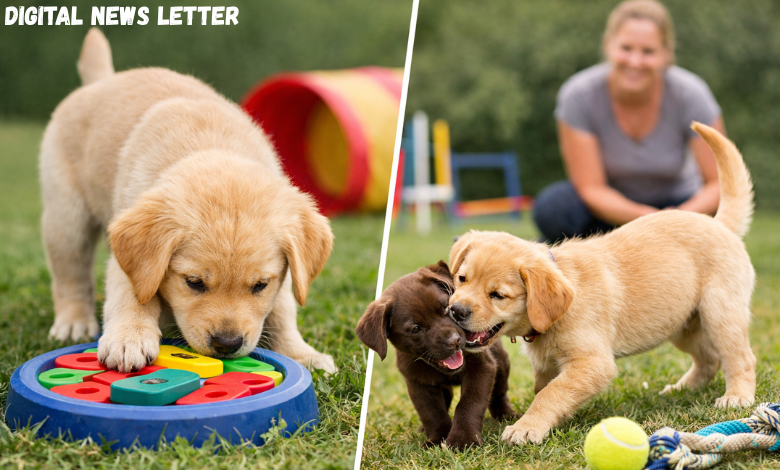
Valplekar refers to the different types of puppy play, both structured and unstructured, that help shape a puppy’s growth during their critical developmental period. Structured play involves organized activities such as games that require a puppy to follow a set of instructions or commands, like fetch or obedience training. On the other hand, unstructured play includes spontaneous and free interactions, such as exploration, sniffing around, and playing with other dogs or people.
The beauty of Valplekar lies in its balance between these two types of play. Structured play can provide puppies with discipline, focus, and problem-solving skills, while unstructured play gives them the freedom to explore their environment, interact socially, and develop emotional intelligence. Together, these forms of play provide a well-rounded foundation for a puppy’s development.
Cognitive Development Through Play
One of the main benefits of play, particularly in puppies, is the boost it gives to their cognitive development. Puppies’ brains grow rapidly during the first few months of life, and play provides the mental stimulation needed to enhance their learning abilities. This type of play helps them solve problems, learn about their surroundings, and improve their decision-making skills. Mind-stimulating activities like interactive toys or scent games engage their brains, fostering essential problem-solving and critical thinking skills.
Additionally, play helps puppies manage their emotions. Through play, they learn how to handle frustration, excitement, and even fear. When a puppy faces a challenge during play — like figuring out how to retrieve a toy or overcome an obstacle — they learn to cope with these emotions in a healthy and constructive way. These early lessons in emotional regulation are essential for a well-balanced, confident adult dog.
Social Development: Building Puppy Confidence
Playtime is also essential for a puppy’s social development. Puppies are naturally social creatures, and interactions with other dogs and humans during play teach them vital social skills. Valplekar encourages gentle play interactions where puppies learn to read social cues, navigate different social situations, and establish trust. Through these interactions, they build confidence and learn how to appropriately interact with other dogs and humans.
For example, a shy or timid puppy who struggles with socializing can benefit greatly from consistent play sessions. Over time, through positive interactions, the puppy gains confidence in itself and in its social abilities. I recall a particularly shy puppy who, after several weeks of structured play and socialization sessions in the park, became much more comfortable around other dogs and began initiating play. It was truly amazing to watch how consistent playtime nurtured her confidence and social skills.
The Emotional Benefits of Play
Puppy play is not just for physical development — it’s also an emotional experience. Puppies learn how to form bonds, trust others, and regulate their emotions through play. During these early weeks, they are learning how to interact with the world around them. Their interactions with other puppies, people, and even toys contribute to their emotional growth.
One of the most critical emotional aspects that play fosters in puppies is confidence. Confident puppies are less likely to become fearful or anxious in new situations, which can make them easier to train and more adaptable to change. Confident puppies also tend to have better coping mechanisms when faced with stressful or unfamiliar situations, which can lead to a healthier emotional state as they grow into adulthood.
The Importance of Both Structured and Unstructured Play
Both structured and unstructured play are vital in developing a well-rounded puppy. Structured play helps instill discipline, focus, and problem-solving abilities, while unstructured play allows puppies to explore, engage with their environment, and interact freely with others.
Structured Play:
- Organized play helps puppies learn specific skills and behaviors by providing structure and guidance. Valplekar highlights the significance of incorporating both structured and unstructured play during this critical developmental stage.
- It involves activities such as fetch, obedience training, or interactive games.
- It helps build focus, problem-solving skills, and improves muscle coordination.
Unstructured Play:
- Unstructured play allows puppies to explore their environment freely.
- It encourages natural instincts and curiosity, helping them understand their surroundings.
- It promotes socialization, as puppies learn to interact with others in a more natural, unrestrained manner.
Both forms of play are equally important, and a balanced approach ensures that a puppy develops both physically and mentally. Too much structure can stifle creativity and independence, while too much unstructured play can leave a puppy without the discipline and focus needed for proper training.
The Physical Benefits of Play
While Valplekar primarily focuses on the mental, emotional, and social aspects of a puppy’s development, it also plays a critical role in their physical growth. Through physical play, puppies develop coordination, strength, and motor skills. Activities such as running, jumping, and playing with toys help improve their agility and overall physical fitness.
Play also helps puppies learn how to control their movements, building muscle coordination and stamina. Physical activity during play is not only fun for puppies, but it also helps them stay healthy and active, which contributes to their overall well-being.
Setting the Foundation for Adult Dogs
The early weeks of a puppy’s life are the most critical in shaping who they will become as adult dogs. Play is a fundamental part of this early development, providing puppies with the tools they need to navigate the world around them. By engaging in both structured and unstructured play, you are giving your puppy the best chance to grow into a confident, well-adjusted adult dog.
It’s important to remember that play is not just about keeping a puppy entertained. It’s about nurturing their physical, emotional, and social growth. A well-balanced puppy who receives adequate mental and physical stimulation through play is more likely to grow up to be a well-behaved, confident, and socially adept dog.
Conclusion
Valplekar is more than just a form of entertainment for your puppy; it’s an essential part of their growth and development. Through both structured and unstructured play, puppies learn valuable lessons that will shape their behavior, personality, and social skills for the rest of their lives. Play helps puppies develop confidence, mental agility, emotional regulation, and physical fitness, setting them up for a lifetime of happiness and well-being.
By understanding the importance of play during your puppy’s early months and engaging in both structured and unstructured activities, you are investing in their future. This thoughtful and purposeful approach to play will help you raise a confident, well-adjusted dog who is ready to face the world with a positive attitude and a wagging tail.